
Four $500 Hustles Beat One $2K Job: Here’s Why
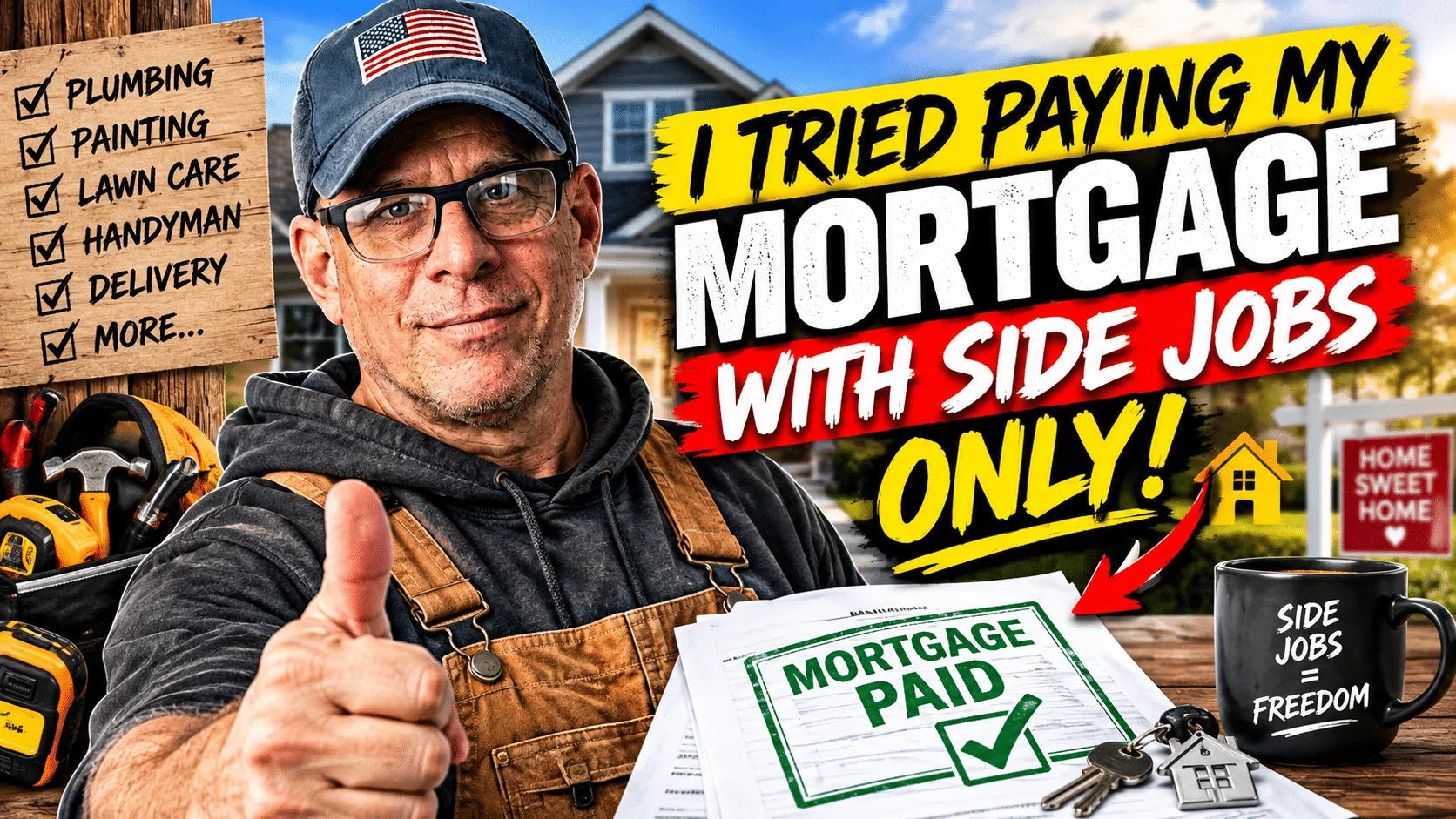
Look, I’ve been around job sites long enough to know the trap most guys fall into. They chase the one big paycheck the $2K week, the overtime grind, the single employer who controls everything and then wonder why they’re still stressed when the work slows down. Four $500 hustles beat one $2K job every time once you understand how the math and the lifestyle actually work in the real world of trades careers. I’m JV Charles, founder and senior editor at JV CHARLES TV, and after more than 30 years in the field from union carpenter to project manager to senior auto inspector I’ve watched the guys who stack smaller, flexible income streams pull ahead of the ones still waiting on the next raise.
The difference isn’t hustle for hustle’s sake. It’s control. It’s optionality. It’s the path a lot of solid hands in the skilled trades use to reach six figures zero debt without betting everything on one employer or one trade.
Key Takeaways
- Four consistent $500 side plays (weekends or evenings) often deliver more annual cash, more flexibility, and less risk than locking into a single higher weekly check.
- Startup costs for the best options stay low many under $1,000–$2,500 if you already own a truck or basic tools.
- Demand remains strong in 2026 because homeowners and small businesses still struggle to find reliable help.
- These fit around full-time work in HVAC, electrical, plumbing, or other high paying skilled trades.
- Treated seriously, they become the bridge from journeyman wages toward ownership and true six figures zero debt.
Why the Single $2K Job Loses Over Time
A $2K week sounds great on paper. In the blue collar world that might mean solid overtime in a busy season for an electrician, plumber, or HVAC tech. National medians from the latest BLS data put journeyman-level plumbers pay and electrician wages around the low-to-mid $60ks, with HVAC mechanics and installers in a similar range. Top earners and those in strong union markets or high-cost areas push higher, especially with overtime. But that income is still tied to one company, one schedule, one set of rules, and one slowdown that can wipe out the extras.
Four $500 streams change the equation. That’s $2,000 in a good weekend or stretched across evenings. More importantly, the income comes from different customers, different seasons, and different skill applications. One stream slows, the others keep moving. You keep the day job while you test and grow. When the side work becomes reliable, you have real leverage either to negotiate better on the main job or to step into full ownership.
I’ve seen this pattern for decades. The quiet operator on the crew who always seems a little more comfortable isn’t usually the one grinding the most overtime. He’s the one who started answering neighborhood calls on Saturday mornings and never stopped.
The Four $500 Hustles That Actually Work
These are the ones I keep seeing ordinary tradesmen turn into real money. They reward the same traits that already make people good at skilled trades: showing up, diagnosing problems, finishing clean, and talking straight to customers.
1. Pressure Washing and Exterior Cleaning
This remains the cleanest entry point for most guys. A solid gas-powered machine, surface cleaner, hoses, and chemicals usually keep total startup under $1,000–$2,500.
Residential driveways, decks, and house washes commonly bring $150–$400. Commercial sidewalks and parking lots push higher. Two solid jobs on a Saturday can clear $500+ after fuel and soap. Before-and-after photos on Facebook and Nextdoor do most of the marketing. Many operators move from weekend cash to HOA contracts and a second rig within a year or two.
2. Junk Removal and Hauling
If you already own a pickup, this is almost pure labor and logistics. A trailer, dollies, straps, and gloves get you moving for a few hundred dollars beyond the truck.
Quarter loads start around $100–$150. Full loads and garage or estate cleanouts commonly hit $350–$600+. Reselling usable items on Marketplace adds another profit layer. Real estate agents and landlords become steady clients once they trust you. Consistent weekends easily clear $500–$1,500.
3. Mobile Car Detailing
You go to the customer. No shop rent. A basic setup with foam cannon, vacuum, polishers, and chemicals can start in the $1,000–$3,000 range.
Basic exterior washes run $50–$100. Full interior-plus-exterior details land $150–$350 or more. Ceramic coatings raise the ticket further. Solo operators working weekends in the right neighborhoods regularly clear $600–$1,500 in a good stretch. Repeat monthly clients turn this into reliable recurring income.
4. General Handyman or Mobile Small Engine Repair
This is the broadest and often the most flexible. Basic tools you probably already own plus a reliable vehicle get you started. Small jobs shelf installs, faucet swaps, drywall patches, door adjustments commonly bill $50–$100 an hour or $100–$400 flat. A full day can clear $400–$800.
Small engine work (lawn mowers, generators, pressure washers, chainsaws) pairs well if you like mechanical troubleshooting. Service call fees alone often run $60–$90 before the repair. Landscaping companies become recurring accounts.
These four sit squarely in the world of blue collar side hustles. They don’t require you to quit your day job in HVAC or any other highest paying skilled trades. They use the same work ethic and often the same tools already in the truck.
How This Stacks Toward Six Figures Zero Debt
Start with one. Get three jobs done clean. Let the referrals start. Track every dollar so you know what’s actually profitable. Add basic liability insurance and a simple Google Business profile. Price for profit, not volume.
The path most successful operators follow is cash-in-hand weekends → consistent tracking and insurance → LLC and commercial accounts. The ones who treat the early stage seriously are the ones who reach the later stages. Combined with a solid base in the skilled trades, this is one of the most realistic routes I’ve seen to six figures zero debt. No student loans. Skills that stay in demand. Income that compounds instead of disappearing when one job ends.

Getting Started Without Overthinking It
Pick the hustle that matches what you already own or already know how to do. Protect your main income while you test. Do the work clean. The shortage of reliable hands-on people isn’t going away. Homeowners and small businesses keep looking for the person who answers the phone and finishes the list.
I’ve watched too many good tradesmen leave money on the table because they kept waiting for the perfect conditions or the one big opportunity. The guys who pull ahead usually start smaller, stay consistent, and let the options stack.
Four $500 hustles beat one $2K job because they give you control, diversification, and a clearer path to ownership. The tools are often already in the truck. The demand is sitting in every neighborhood. The only real missing piece is the decision to start.
Frequently Asked Questions
How realistic is $500 per hustle on a consistent basis?
Very, once you have a few regular clients or a solid Saturday routine. Many operators clear $500–$2,000 extra per month working evenings and weekends. Higher numbers come from treating it like a real business and adding recurring work.
Do I need special licenses?
It depends on the work and your state. Pressure washing, junk removal, detailing, and general handyman work often need only a business license and insurance under certain dollar limits. Welding, electrical, or plumbing side work usually requires existing trade licenses. Always check your local rules.
Can these turn into full-time businesses?
Yes. Plenty of pressure-washing, junk-removal, detailing, and mobile service operations have grown well past six figures in annual revenue after starting as weekend side work.
How do these fit with a full-time job in HVAC or plumbing?
They are designed for evenings and weekends. Many tradesmen keep the day job while the side income grows. The flexibility is part of the advantage.
What’s the fastest way to get the first customers?
Local Facebook groups, Nextdoor, Google Business profile, and real before-and-after photos still outperform most paid ads for these services. Real estate agents, property managers, and landscaping companies become steady sources once they trust you.
References
- U.S. Bureau of Labor Statistics Occupational Employment and Wage Statistics (May 2025 release) for national medians in plumbing, electrical, HVAC, and related construction trades.
- Industry pricing benchmarks and operator reports from 2025–2026 for pressure washing, junk removal, mobile detailing, and handyman services.
- Direct observations and patterns from more than 30 years in the skilled trades and construction, including real operator examples across multiple markets.
- Local market demand trends for residential and light commercial home services.