Low-Voltage Technician Is Hard Until You Learn These 3 Moves
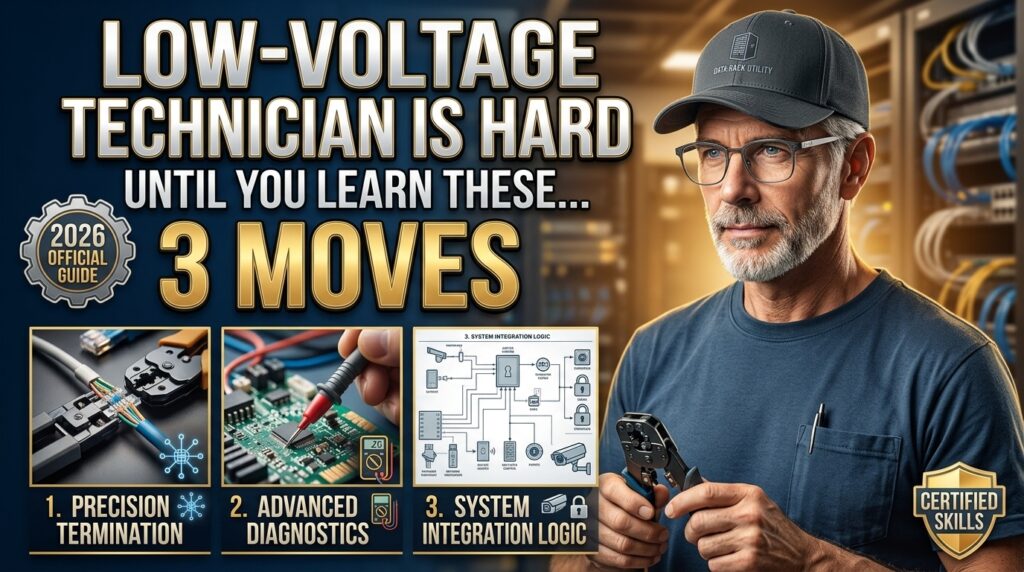
I hear it all the time from guys just starting out or stuck in the middle. Low-voltage work feels overwhelming. Too many systems, too many codes, too many “why isn’t this working” moments. After three decades in the trades and watching hundreds of techs come through, I can tell you something plain: Low-Voltage Technician Is Hard Until You Learn These 3 Moves.
Once those three pieces click, the job stops feeling like chaos and starts feeling like a real craft you can build a career on. On JV CHARLES TV I’ve broken this down because too many solid people quit or plateau simply because nobody showed them the pattern.
Key Takeaways
- Low-voltage is not one trade it is a family of systems (fire alarm, security, data cabling, AV, access control). Treating it as one big mess is what makes it hard.
- Average pay sits in the mid-to-upper $50k range for many technicians, with experienced specialists and leads regularly clearing $70k–$100k+ depending on certs and market.
- The three moves troubleshooting mindset, depth-first specialization, and a personal playbook separate the guys who struggle from the ones who accelerate.
- Certifications such as NICET, BICSI, and manufacturer-specific credentials open higher-paying doors faster than random job-hopping.
- This path still delivers six figures zero debt potential for those who treat it like a skill stack instead of just a paycheck.
Why Low-Voltage Feels Harder Than It Needs To Be
Most new techs get thrown into a mix of cable pulls, camera installs, fire-alarm panels, and network drops with almost no framework. One day you’re terminating Cat6. The next you’re staring at a fire panel that won’t clear. Everything feels disconnected.
The truth is the work itself is not the problem. The teaching is. When you try to learn every system at surface level at the same time, your brain never builds the pattern recognition that makes troubleshooting fast. That is why so many stay stuck at installer wages while a smaller group quietly moves into lead tech, design, or ownership roles.
Current numbers show the opportunity is real. Many low-voltage technicians land in the $48k–$78k range, with NICET or BICSI-credentialed specialists and project leads pushing higher sometimes into six figures in strong markets or with the right niche. Demand stays steady because every new commercial building, data center, hospital, and school needs these systems. Fire alarm, security, and structured cabling do not disappear when the economy slows.
Move 1: Master the Troubleshooting Mindset (Input → Processing → Output)
This is the single biggest unlock. Stop guessing and swapping parts. Every low-voltage problem lives in one of three places:
- Input (power, signal coming in, sensors, cameras, card readers)
- Processing (the panel, controller, or software brain)
- Output (horns, strobes, locks, network ports, speakers)
Train yourself to read the chain instead of throwing parts at it. When a door won’t unlock, check power first, then the signal from the reader, then the controller decision, then the lock itself. When a fire panel shows a trouble, isolate whether the issue is a device, the wiring, or the panel logic.
Once this becomes automatic, jobs that used to take hours shrink. You look competent. Customers trust you. Bosses notice. This one habit alone separates the average tech from the one who gets the complex service calls and the better rates.
Move 2: Go Deep on One System Before You Go Wide
Most guys try to be “good enough” at everything fire, security, AV, data, access. That keeps you average. The higher-paying techs pick one lane early and get dangerously good at it.
Examples that pay:
- Fire alarm with NICET levels
- Security and access control (Genetec, Lenel, or similar platforms)
- Structured cabling and fiber with BICSI credentials
- AV systems with CTS or manufacturer training
Depth creates transferable knowledge. Once you truly understand how one system thinks, the next system becomes easier because the logic patterns repeat. Breadth without depth just creates confusion and slow troubleshooting.
Specialize first. Add the second and third systems later. That is how you move from cable puller to the guy the company calls when the big job has problems.
Move 3: Build a Personal Playbook
This is the quiet habit almost nobody does consistently. After every job or at least every interesting one spend five minutes documenting:
- System type and manufacturer/model
- Key wiring or programming notes
- Problems you hit and how you solved them
- Two quick photos if useful
Do this in a simple notebook or phone note. Over months it becomes a personal reference library that no one else has. When you see the same panel or the same weird fault again, you already have the answer. Your experience starts compounding instead of evaporating.
The guys who do this look smarter than their years of experience. They get trusted with harder work. They advance faster. It costs almost nothing and pays forever.
How These Three Moves Stack Into Real Money
Year one you may still be pulling cable at entry rates. But you are learning with intention applying the input-processing-output check on every call, choosing one system to own, and writing everything down.
By year three or four, with a solid cert or two and a reputation for solving problems instead of creating them, the pay climbs. Lead tech, specialist, and project roles sit comfortably above the national averages for many skilled trades. Ownership of a small integration company can push well past that.
Compare that to the debt-heavy paths a lot of people still chase. This is classic high paying skilled trades math: paid while you learn, skills that stay in demand, and a clear ladder if you use it.
Getting Started Without Spinning Your Wheels
A high-school diploma or GED gets you in the door. Many start as helpers with a security, fire-alarm, or cabling contractor. Some go the apprenticeship route. OSHA 10 is a smart early cert. Then stack BICSI Installer, NICET Level I, or the manufacturer training that matches the systems your shop actually installs.
State licensing varies some places treat low-voltage separately, others fold it into electrical rules. Check your local requirements early so you do not get surprised later.
The physical side is real: ladders, ceilings, tight spaces, occasional long days. Protect your body the same way any blue collar pro should. Good habits now keep you working longer.

Final Word from Someone Who Has Seen Both Sides
Low-voltage is only hard when you approach it like a random collection of tasks. Once you lock in the troubleshooting chain, go deep on one system, and keep a personal playbook, the work starts making sense. The confusion drops. The confidence rises. The pay follows.
That is the difference between staying stuck at installer wages and building a real trades careers path that can deliver six figures zero debt over time.
I’ve watched ordinary guys make the shift. The ones who treat these three moves as non-negotiable pull ahead of the pack.
If this helped clarify the path, share it with someone still grinding without a plan. And check the latest videos on JV CHARLES TV—we keep breaking down the practical moves that actually work in the field.
Frequently Asked Questions
How much can a low-voltage technician realistically make?
Many sit in the $50k–$70k range with experience. Specialists with strong certifications and the right market often clear $75k–$100k+. Lead and design roles go higher. Ownership multiplies it further.
Do I need a full electrician license?
It depends on the state and the exact work. Many low-voltage roles have separate licensing or work under the contractor’s license. Always verify local rules.
Which specialization pays best right now?
Fire alarm with higher NICET levels, complex security/access control, and certain AV or data-center cabling niches tend to command premiums. Pick the one that matches available work in your area and that you can stick with long enough to get good.
Is the work future-proof?
Buildings still need fire protection, security, data, and controls. Smart-building and data-center growth keep adding demand. The systems change, but the need for people who can install, program, and troubleshoot them does not disappear.
How long until it stops feeling hard?
Most people who apply these three moves consistently notice a clear shift within the first year or two. The learning curve is real, but it is manageable when you stop trying to master everything at once.
References
- U.S. Bureau of Labor Statistics data on electricians and related installation/maintenance occupations
- Industry salary ranges from current job-market reporting and certification bodies (NICET, BICSI)
- Direct field observation and conversations across decades in the trades
- Common certification pathways and career progression patterns in low-voltage work