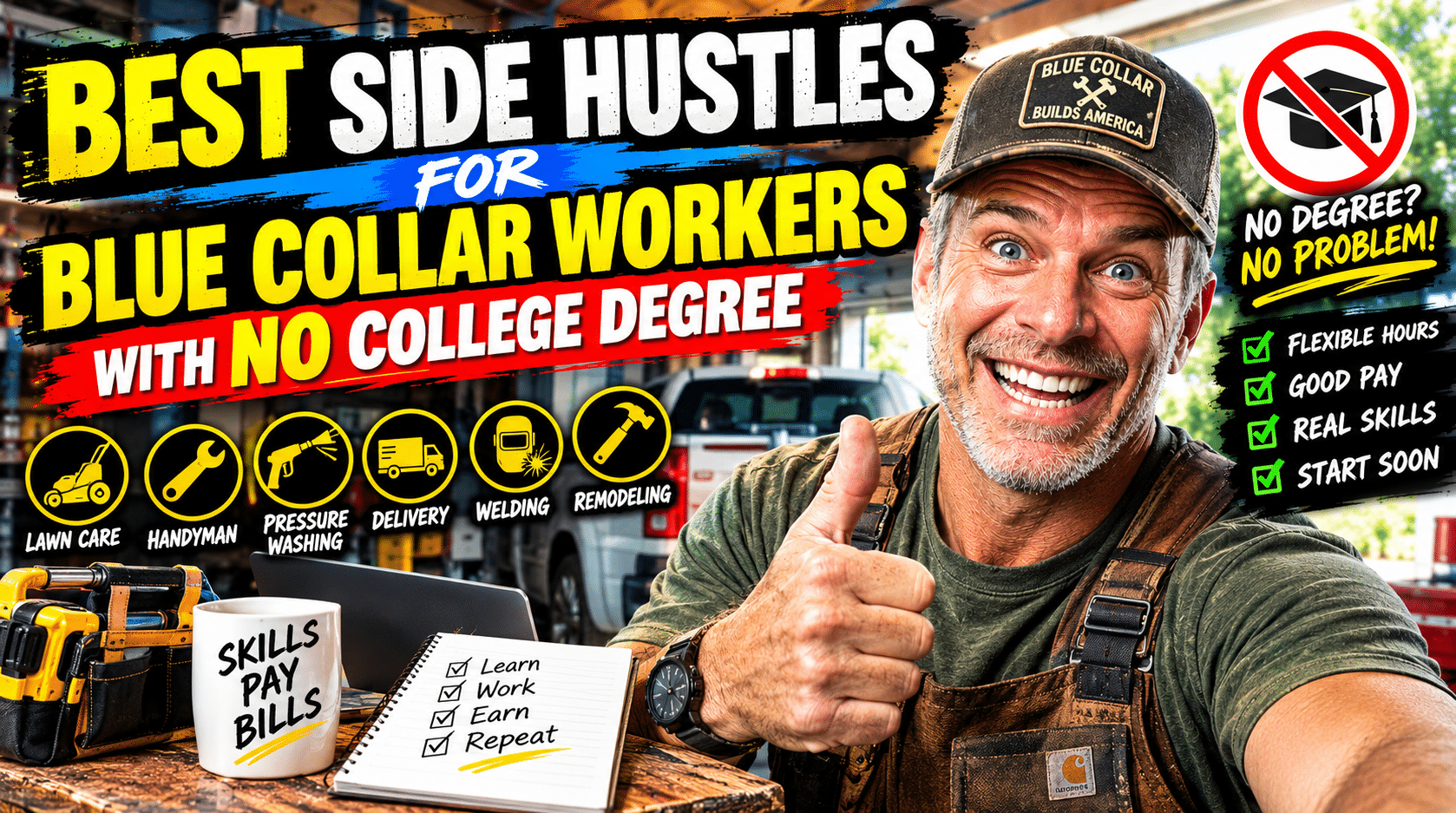

DON’T STAY STUCK! Six GOLDEN Pathways To High Paying Skilled Trades!
Hey folks, if you’re reading this, chances are you’re tired of grinding away in a dead-end job, wondering how the heck you’re supposed to build a real life without drowning in student loans or wasting years in a classroom that doesn’t prepare you for anything practical. I’m JV Charles, founder of JV Charles TV and someone who’s spent over 30 years in the trenches of the skilled trades from swinging hammers as a union carpenter to running big projects and inspecting work for the UAW. Trust me when I say: DON’T STAY STUCK! Six GOLDEN Pathways To High Paying Skilled Trades aren’t just hype. They’re real, accessible routes to six figures zero debt that I’ve seen change lives over and over.
Back when I started, the push was always “go to college or flip burgers.” That advice is outdated in 2026. With labor shortages hitting construction and trades hard, employers are hungry for people who can actually do the work. No four-year degree required. Just smart training, hustle, and the right path. In this post, I’ll walk you through the six golden pathways that can get you into high paying skilled trades, with real salary numbers pulled from the latest data, what the jobs actually feel like day-to-day, and how to get started without going broke.
Key Takeaways
- Skilled trades and blue collar careers can deliver six figures zero debt faster than most college paths.
- Pathways like HVAC, plumbing, electrical, and construction management are booming with strong demand.
- Training options like affordable online courses (2-6 months) beat traditional routes for speed and cost.
- Experience, certifications, and owning your own business turbocharge earnings in highest paying skilled trades.
- Real people in their 20s to 50s are making the switch and thriving trades careers reward those who show up and learn.
Why Skilled Trades Are Exploding in 2026 – And Why You Should Care
Look, I’ve lived this. After decades in the field, I can tell you the blue collar world isn’t what your parents warned you about. Infrastructure bills, data centers, housing shortages, and green energy upgrades mean steady work and good pay. The Bureau of Labor Statistics and industry reports show many high paying skilled trades roles growing faster than average, with median wages beating a lot of desk jobs that come with massive debt.
The beauty? You can start earning while learning through apprenticeships or quick cert programs. No plumberspay jokes here these folks are commanding serious money, especially masters and business owners. Same for HVAC techs keeping buildings comfortable in extreme weather. It’s honest work that pays the bills and then some.
The Six Golden Pathways: Your Roadmap to Six Figures
Here are the six standout paths, inspired by real training programs and my own experience. I’ll break down what you do, realistic 2026 salaries (national averages, varying by location/experience), and who thrives in each.
1. Construction Project Management – The Orchestrator
If you’re organized, good with people, and can juggle timelines and budgets, this is gold. You coordinate teams, manage subcontractors, handle safety, and keep projects on track without always being the one in the dirt.
Current Salaries (2026): Starting around $50k–$80k, mid-career $90k–$120k+, seniors and those on big jobs pushing $150k+. Median hovers near $106k–$116k nationally.
Training focuses on plans, scheduling, cost control, RFIs, and OSHA stuff. 6–12 weeks self-paced can get you in the door as a coordinator or assistant. Perfect for folks who want less physical wear and tear long-term.
2. Construction Estimating – The Numbers Detective
Estimators crunch the costs before shovels hit the ground materials, labor, bids that win contracts. Detail-oriented puzzle solvers love this.
Salaries: Entry ~$50k–$80k, mid $80k–$110k, seniors $120k–$150k+ in strong markets.
You learn blueprints, takeoffs, software like Bluebeam, and pricing strategies. Short 4–8 week programs build the skills fast. High demand because accurate bids make or break companies.
3. Electrical Work – The Power Player
Electricians install, maintain, and troubleshoot systems in homes, commercial buildings, and industrial sites. Steady, technical, and always needed.
Salaries: Apprentices start lower (~$40k), journeymen $60k–$85k, masters and business owners $100k–$150k+ easily, especially with overtime or specialization.
Fundamentals like theory, code, wiring, and blueprints in a few months open doors to apprenticeships. Union paths or self-employment accelerate plumberspay-level (and better) earnings.
4. HVAC – Keeping the World Comfortable
HVAC techs handle heating, cooling, ventilation, and refrigeration. It’s hands-on, problem-solving work with huge demand in new builds and service calls.
Salaries: Starting ~$45k–$60k, experienced $70k–$90k+, top techs and owners $100k–$150k with certifications and busy seasons.
Learn systems, refrigeration, troubleshooting. EPA certs and short courses help you hit the ground running. Great for those who like variety and tangible results.
5. Plumbing – The Essential Flow Master
Plumbers install and repair piping for water, gas, and waste. It’s classic blue collar work that’s recession-resistant people always need working bathrooms and pipes.
Salaries: Median around $63k, journeymen $70k–$95k+, masters and business owners easily six figures zero debt territory, with top earners over $100k–$150k.
Training covers codes, installations, and repairs. Apprenticeships pay you while you learn. Owning a small service business is a common fast track to high income.
6. Architectural Drafting / Related Support Roles – The Design Bridge
Bridging trades and design, drafters use software to create plans. It pairs well with estimating or project management for career growth.
Salaries: Competitive with other support roles, often $60k–$90k+ as you advance, feeding into higher-paying management.
Software-focused training gets you productive quickly. Ideal if you like the technical/creative side without full fieldwork.

How to Get Started Without the College Trap
The old model is broken. Affordable, targeted programs (often $500–$900 total) let you learn from home at your pace. Pair that with apprenticeships that pay as you go, and you’re building trades careers momentum fast. Focus on certifications, network locally, and consider unions for benefits. Many in their 40s+ are killing it after switching.
Pro Tip from My Experience: Pick the path that matches your personality hands-on vs. office coordination. Then commit. Consistency beats talent every time.
Overcoming Common Myths and Challenges
People say trades are “dirty” or “dead-end.” BS. Many roles have office elements, great benefits, and paths to ownership. Physical demands exist, but smart workers use tools, ergonomics, and specialization to last. Job security? Unmatched right now.
Key Takeaways (Again, Because This Matters)
- High paying skilled trades like these beat debt-heavy degrees for many.
- Six Figures Zero Debt is realistic with 3–5 years of focused effort.
- Skilled trades, HVAC, plumbing, and more offer trades careers with purpose and pay.
- Start small, learn continuously, and own your growth.
FAQs
What are the highest paying skilled trades right now?
Elevator mechanics, construction managers, specialized electricians/plumbers, and certain industrial roles top lists, but the six pathways above get you there reliably.
Can you really reach six figures in blue collar work?
Yes especially as a journeyman, master, or business owner. Overtime, certifications, and location matter hugely.
How long does training take?
Most dedicated programs: 2–12 weeks for foundations, then on-the-job or apprenticeships for full quals.
Is this for older career changers?
Absolutely. I’ve seen folks in their 40s and 50s thrive because of maturity and work ethic.
Where can I find training?
Look for reputable online platforms, trade schools, unions, and apprenticeships. Research what fits your area.
References
- U.S. Bureau of Labor Statistics (BLS) Occupational Outlook data (2024–2026 updates).
- Industry salary aggregators like Indeed, ZipRecruiter, and trade-specific reports.
- Insights from 30+ years personal experience in the field and conversations with working tradespeople.
- Course Careers and similar practical training resources highlighted in industry discussions.