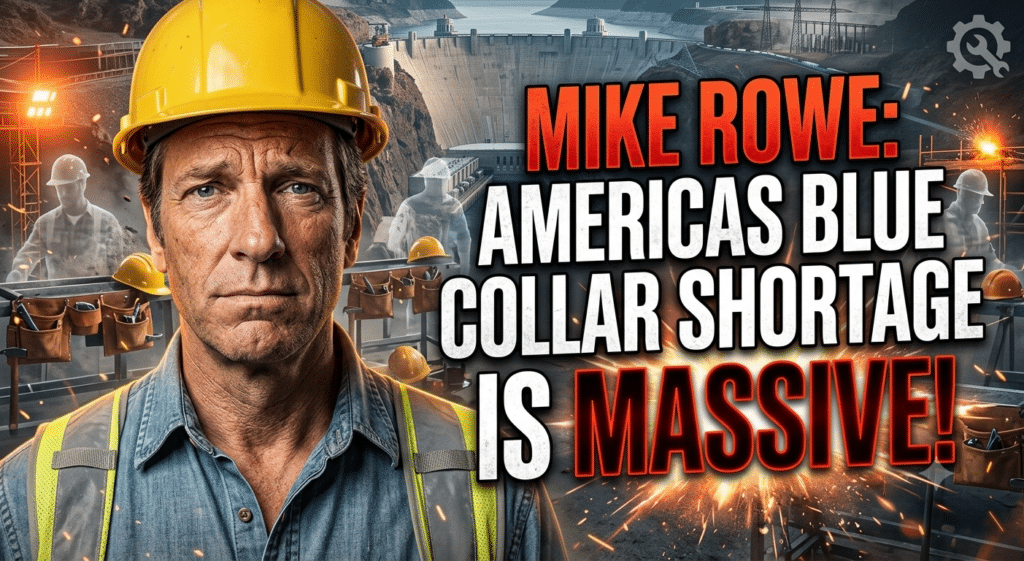
Mike Rowe: Americas Blue Collar Shortage Is MASSIVE!
Mike Rowe: Americas Blue Collar Shortage Is MASSIVE! and if you’ve been around job sites or talking to contractors lately, you already know he’s not exaggerating. I’ve spent over 30 years in this world, from union carpenter to project manager to inspecting at a big auto plant, and the gap between open jobs and available skilled workers has never felt wider. As founder of JV CHARLES TV, I see it every week: companies desperate for people who can actually do the work in trades careers.
Mike Rowe has been sounding this alarm for years through mike rowe WORKS and Dirty Jobs. In 2026 the shortage is still front and center hundreds of thousands of openings in construction and manufacturing alone, while too many young people get steered toward four-year degrees that leave them with debt and no clear path. The result? Blue collar work that pays solid, offers real security, and often beats the average college-grad paycheck when you factor in zero student loans.
Key Takeaways
- The blue collar shortage is structural: retirements, low interest from younger workers, and massive demand from infrastructure, data centers, and manufacturing.
- Skilled trades like electrical, HVAC, and plumbing remain some of the most reliable paths to six figures zero debt.
- Plumbers pay and commercial HVAC roles continue climbing because the work can’t be outsourced or fully automated.
- Mike Rowe’s message is simple: work is not a four-letter word, and the trades offer dignity plus opportunity right now.
- Getting in is still possible through apprenticeships that pay you while you learn no massive loans required.
Why Mike Rowe Keeps Talking About This Shortage
Mike has said it straight for years: we keep telling kids that college is the only respectable path, then act surprised when nobody wants to learn a trade. The numbers back him up. Construction alone needs hundreds of thousands of additional workers in 2026 just to keep pace. Electricians, HVAC techs, plumbers, welders, and heavy equipment operators are among the hardest roles to fill.
I’ve watched older journeymen retire with no one behind them ready to step up. At the same time, data centers, grid upgrades, housing, and manufacturing projects keep coming. Demand is high. Supply is not.
What the Shortage Means for Real People in the Trades
For guys already in skilled trades, it means better leverage higher wages, overtime, signing bonuses, and more chances to move up or start your own thing. For people still deciding on a career, it means open doors if you’re willing to show up and learn.
High paying skilled trades aren’t theoretical. Experienced electricians, commercial HVAC techs, and plumbers in busy markets regularly clear strong six-figure territory with overtime or specialization. Plumbers pay stays solid because water and gas systems never go out of style. The same goes for HVAC climate control is non-negotiable in homes, hospitals, and data centers.
The Biggest Opportunities Right Now
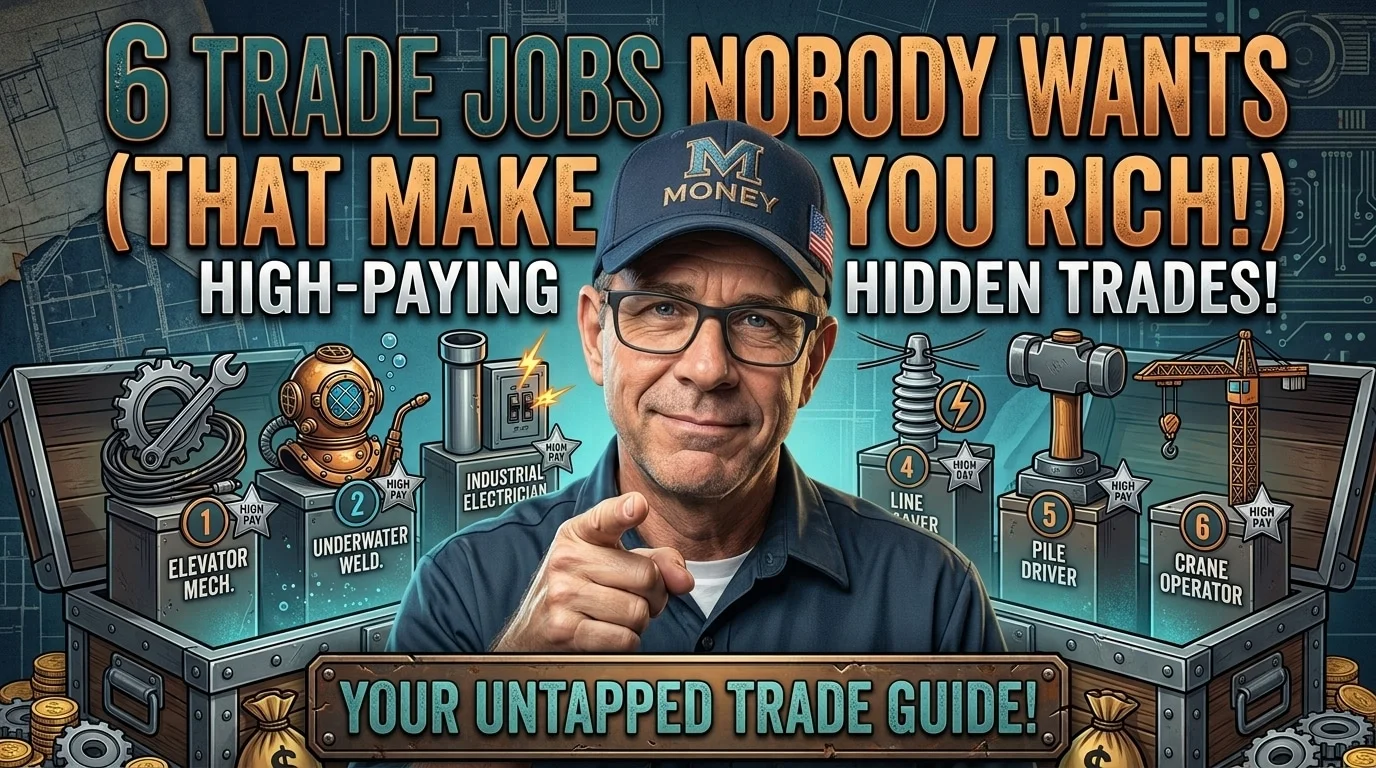
Electricians remain at the top of the list. Grid work, EV infrastructure, and data centers all need them. HVAC techs who move beyond basic residential into commercial or industrial systems see the biggest jumps. Plumbers and pipefitters stay in constant demand for both new construction and service work. Welders and heavy equipment operators also keep finding steady calls, especially on larger projects.
These aren’t temporary spikes. The combination of retirements and long-term infrastructure needs points to years of strong hiring.
How to Take Advantage of the Shortage
You don’t need a perfect résumé. Many contractors and unions run paid apprenticeships. Show reliability, basic mechanical aptitude, and a willingness to learn the fundamentals tool use, safety, blueprint reading, and communication. That’s what gets you in the door and keeps you moving up.
On JV CHARLES TV we talk about this constantly because I’ve lived the path. Stack skills over time. Specialize where the demand is hottest. Think about eventually running your own crew or small business that’s where a lot of the biggest earners in highest paying skilled trades end up.

The Mindset Shift Mike Rowe Talks About
Mike’s bigger point isn’t just jobs. It’s that we stopped treating skilled work with the respect it deserves. A good plumber or electrician solves problems that keep people’s lives running. That work has dignity. And in 2026 it also has serious earning power without the debt that comes with many degrees.
I’ve seen too many people stuck in jobs they hate because they believed the only “successful” path involved a classroom and a loan. The trades prove otherwise every single day.
FAQs About the Blue Collar Shortage and Trades Careers
Is the shortage really that big?
Yes. Industry groups and labor data keep pointing to hundreds of thousands of unfilled roles in construction and related fields for 2026 and beyond.
Can you still make good money without a degree?
Absolutely. Many in skilled trades reach six figures zero debt through experience, overtime, and specialization.
What’s the fastest way in?
Look for local union or contractor apprenticeships. They pay you while you train.
Which trades have the strongest demand?
Electricians, HVAC technicians, plumbers, welders, and heavy equipment operators keep topping the lists.
Is the work too hard on the body?
It can be physical, but smart habits, proper technique, and moving into lead or estimating roles later help a lot of people stay in the field long-term.
References
- Ongoing labor shortage discussions and Mike Rowe’s public comments on the trades.
- Current hiring and wage trends in skilled trades drawn from industry reports and real-world experience shared on JV CHARLES TV.
The shortage Mike Rowe keeps highlighting isn’t a problem for the people willing to step into it it’s an opportunity. Blue collar work built this country and it’s still building it. If you’re looking for a path with real pay, real skill, and no mountain of debt, the trades careers are open right now. Come check out more straight talk on the channel and decide for yourself.
JV Charles, Founder & Senior Editor, JV CHARLES TV