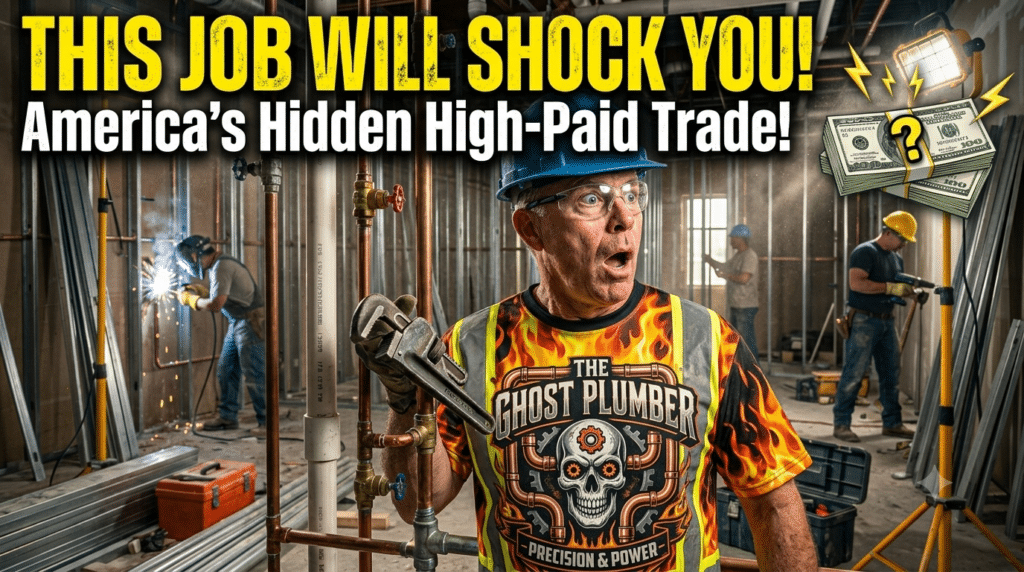
This Job Will SHOCK You | One of the Most High Paid Skilled Trades in America
This job will shock you. It’s one of the most high paid skilled trades in America right now, and most people walking past those big buildings have zero clue what the folks who keep the elevators running actually take home.
I’m JV Charles, founder and senior editor here at JV CHARLES TV. After more than 30 years in the trades union carpenter, project manager, you name it I’ve learned to cut through the noise. The numbers on this one still catch even experienced guys off guard. While plenty of blue collar roles deliver solid money, this particular path sits at the very top of the highest paying skilled trades list, and the gap between what folks assume and what actually happens is wild.
Key Takeaways
- Elevator and escalator installers and repairers currently hold the highest median wage among major construction trades at $106,580 per year (BLS May 2024 data still the benchmark in 2026 reporting).
- Top earners regularly clear $140,000–$150,000+ with overtime, especially in major metros and union shops.
- The route is a paid 4-year apprenticeship real Six Figures Zero Debt territory because you earn while you learn instead of taking on student loans.
- Entry is competitive, but once you’re in, strong union protections, pensions, and steady work separate it from more saturated trades.
- HVAC and solid plumbers pay also offer strong six-figure potential with experience and the right niche, but elevator work consistently leads the pack on raw median compensation.
- Location, union status, and willingness to handle service calls and modernization projects drive the biggest pay differences.
What Makes Elevator Work One of the Highest Paying Skilled Trades?
People hear “elevator guy” and picture someone in coveralls pushing buttons. That image costs them a lot of money in missed opportunity.
The reality is precision mechanical, electrical, and hydraulic work inside tight, high-stakes environments. One mistake and you’re looking at serious safety issues or major building downtime. That responsibility shows up in the paycheck.
Current Numbers That Actually Shock People
Latest BLS figures put the national median for elevator and escalator installers and repairers at $106,580 annually or about $51.24 per hour. The top 10% clear well over $140,000, with some reports pushing $149,000+ in high-demand areas.
Compare that quickly:
| Trade | Median Annual Wage | Top Earners Potential | Notes |
|---|---|---|---|
| Elevator Installer/Repairer | $106,580 | $149,000+ | Highest median among trades |
| Plumber/Pipefitter | $62,970 | $100,000–$150,000+ (owners) | Strong commercial and self-employed upside |
| HVAC Technician | $59,810 | $90,000–$120,000+ | Commercial, OT, and business ownership push higher |
| Electrician | ~$61,590 | $100,000+ | Similar trajectory to plumbing/HVAC |
While plumbers pay and HVAC roles can absolutely reach six figures especially once you’re a master or running your own crew — the elevator trade starts higher and stays higher for most journeymen.
How Experience and Specialization Actually Move the Needle
New apprentices start lower, obviously. But pay scales up fast during the four-year program. By the time you hit journeyman status, you’re usually in the $80k–$100k range before heavy overtime.
Modernization work (updating old elevators in existing buildings) and service/repair pay especially well because buildings can’t just shut down. High-rise construction in cities like New York, Chicago, San Francisco, and even growing Sun Belt metros keeps demand steady. Union contracts in strong locals often include solid benefits and pension contributions that add real value beyond the hourly rate.
The Real Path to Six Figures Zero Debt
This is where the story separates from a lot of other Trades Careers. You don’t need a four-year degree. You don’t need to graduate with $40k+ in loans. You get paid to learn.
Getting Into the Apprenticeship
The main pipeline is the National Elevator Industry Educational Program (NEIEP). It’s competitive expect an aptitude test covering math, reading comprehension, and mechanical reasoning, plus an interview and physical/drug screening. High school diploma or GED is the baseline.
Once accepted, you’re a paid apprentice. You work on job sites under experienced mechanics while attending classes. Your wage increases at set intervals as you hit milestones. By the end of the four years, you’re a qualified mechanic ready to work independently or move into specialized roles.
What the Day-to-Day Training Actually Builds
You learn electrical systems, hydraulic and traction elevators, escalators, safety codes, troubleshooting, and installation from the ground up. It’s not glamorous every day you’ll be in shafts, on top of cars, and in machine rooms. But the skills compound fast, and the responsibility level rises with your pay.
Many guys I’ve talked to over the years say the biggest surprise wasn’t the money it was how quickly they became the guy everyone else on the job site calls when something complicated breaks.
Why This Blue Collar Career Keeps Surprising People
Most high paying skilled trades discussions focus on plumbing, electrical, or HVAC because those are the visible, everyday trades. Elevator work flies under the radar for a lot of young people and career changers.
That low visibility is exactly why the pay stays strong. Fewer people chase it, the barrier to entry weeds out the unserious, and the work requires constant learning as buildings and technology evolve.
Demand stays resilient too. Existing elevators need maintenance and modernization. New construction especially mixed-use high-rises and infrastructure projects — keeps adding units. Even during slower building cycles, service and repair work provides a buffer.
Honest Look at the Downsides No Sugarcoating
It’s not perfect. Heights bother some people more than they expect. You’re often working in confined spaces or awkward positions. Service calls can mean evenings, weekends, or middle-of-the-night emergencies when an elevator traps someone.
The apprenticeship itself is selective. Not everyone who applies gets in, and some locals have waiting lists. If you’re in a right-to-work state or non-union shop, the total package (wages + benefits) usually lands lower than strong union markets.
Physical wear and tear is real, just like in any hands-on trade. Good mechanics learn to work smart and protect their bodies over a 30-year career.

How HVAC and Other Trades Careers Compare When You’re Deciding
If elevator work doesn’t click maybe the heights or the selective entry HVAC and plumbing remain excellent high paying skilled trades options.
Commercial HVAC techs with experience, certifications (think EPA 608, NATE), and overtime routinely push into the $80k–$110k range in many markets. Starting your own company multiplies that. Plumbers pay follows a similar curve: solid journeyman wages, big jumps once you’re master-level or running jobs, and serious upside if you build a service business.
The common thread across all these Trades Careers is the same: paid training paths that avoid massive debt, tangible skills that can’t be outsourced easily, and earning potential that beats a lot of desk jobs with degrees attached.
Should You Actually Pursue This?
Only you know if you can handle the physical side, the heights, and the sometimes irregular hours. But if you’re someone who likes solving real problems with your hands, working with a team, and seeing the direct result of your work every day, this trade (or its close cousins in HVAC and plumbing) deserves a serious look.
The money is there. The path to Six Figures Zero Debt is proven. The only question left is whether you’re willing to put in the work to get through the door.
FAQs
Can you really make six figures as an elevator tech without a college degree?
Yes. The median already sits above $100k, and many journeymen with overtime and experience clear significantly more. The apprenticeship is paid, so no student debt is required.
How long does it take to become a full mechanic?
The standard NEIEP apprenticeship runs four years of combined on-the-job training and classroom work. You earn progressive raises the whole time.
Is elevator work more dangerous than HVAC or plumbing?
It carries specific risks (heights, confined spaces, heavy equipment), but strict safety protocols and training keep incidents low when followed. Every trade has hazards this one just looks different.
What about job security in 2026 and beyond?
Strong. Buildings aren’t getting shorter, and existing elevators need constant upkeep. Modernization projects and new construction in growing metros support steady demand.
How does plumbers pay or HVAC compare for someone who doesn’t want elevator work?
Both deliver excellent paths to six figures, especially in commercial/industrial niches or once you’re self-employed. They’re often easier entry points than the competitive elevator apprenticeship, though the median ceiling tends to sit a bit lower.
Do I need to be in a big city to make real money?
Big metros and strong union areas pay the highest, but solid work exists in most regions with commercial buildings, hospitals, airports, and high-rises. Some techs travel for bigger jobs and premiums.
What’s the biggest mistake people make when considering these trades?
Assuming the pay is low or that “anyone can do it.” These roles reward focus, reliability, and continuous learning. The ones who treat it like a real profession are the ones hitting the top numbers.
Can women or career changers succeed here?
Absolutely. The trades have room, and the physical demands are manageable with proper technique and tools. Many successful mechanics came in later in life after trying other paths.
References
- U.S. Bureau of Labor Statistics. “Elevator and Escalator Installers and Repairers.” Occupational Outlook Handbook, May 2024 data (still primary benchmark in 2026 coverage).
- U.S. Bureau of Labor Statistics. “Heating, Air Conditioning, and Refrigeration Mechanics and Installers.”
- U.S. Bureau of Labor Statistics. “Plumbers, Pipefitters, and Steamfitters.”
- Various 2025–2026 industry analyses cross-referencing BLS OEWS data for top-paying trades.
- NEIEP program information and apprenticeship standards (standard industry pathway).