
The College Lie Nobody’s Talking About
The college lie nobody’s talking about is the one that still gets pushed on kids every spring: go to college, any college, rack up the debt, and the good life will follow. I’ve been hearing it for decades. On JV CHARLES TV we talk to hundreds of tradespeople every year, and the gap between what that old advice promises and what actually happens keeps getting wider.
Plenty of folks graduate with a degree and a payment they’ll be making into their forties. Meanwhile, guys and gals in Skilled Trades are buying houses, driving paid-off trucks, and stacking real money without a single student loan hanging over their heads. That’s not theory. That’s what Six Figures Zero Debt looks like in 2026 for a lot of people who never set foot in a four-year classroom after high school.
Key Takeaways
- The old “college is the only path” story is broken Trades Careers now deliver faster income, less debt, and in many cases higher lifetime earnings.
- Highest paying skilled trades like elevator work, power line work, plumbing, and HVAC regularly clear six figures once you’re a few years in, especially with overtime, union scale, or your own truck.
- You can start earning while you train. Paid apprenticeships in high paying skilled trades beat classroom-only paths on both cash flow and real skills.
- Blue collar work isn’t going anywhere. AI can’t climb a roof in August or fix a burst pipe at 2 a.m. The demand is only growing.
- The physical side is real, but so is the respect, the freedom, and the ability to build something that’s actually yours.
The College Story We All Got Sold
For years the message was simple: don’t be a “blue collar” worker. Get the degree. Be somebody. What they didn’t tell you is how many somebodies end up underemployed with a balance that feels like a second mortgage. Total student loan debt in the U.S. is still sitting around $1.66 trillion. Average balances for borrowers hover in the mid-thirties to low-forties depending on whose numbers you read. A lot of that debt belongs to people who never finished or who finished and couldn’t find work that actually required the piece of paper.
I’m not saying every degree is worthless. I’m saying the blanket advice that it’s the only respectable option has aged about as well as flip phones. The trades didn’t get the memo that they were supposed to stay small.
Why Trades Careers Are Eating College’s Lunch in 2026
Here’s the part nobody wants to say out loud: a lot of college grads are competing for the same entry-level jobs while carrying debt. In the trades you start getting paid to learn on day one of a real apprenticeship. You’re not sitting in lectures about theory while your savings go negative. You’re on job sites, learning systems that actually matter, and your paycheck goes up every year you show up and get better.
The workforce is aging out. Thousands of experienced plumbers, HVAC techs, and electricians are retiring every year. That creates openings and pushes wages higher. Add in infrastructure work, data centers that need serious power and cooling, and homes getting retrofitted for efficiency, and you’ve got steady demand that doesn’t care about economic cycles the same way office jobs do.
Blue collar work also gives you leverage most desk jobs don’t. When you’re the one who can actually fix the thing that’s broken, you’re not as easy to replace. And when you decide you’ve had enough of working for someone else, the barrier to starting your own operation is a truck, tools, a license, and a reputation not another hundred grand in tuition.
The Highest Paying Skilled Trades That Actually Deliver
Not every trade pays the same, and not every tradesperson makes six figures. But the ceiling is higher than most people realize, and the floor is a hell of a lot better than “maybe I’ll get a job in my field someday.”
Elevator and escalator installers and repairers sit at the top of the BLS numbers median pay well over $106,000, with top earners clearing $149,000+. It’s competitive to get into, but once you’re in, the pay reflects the skill and the responsibility.
Power line workers and certain industrial roles also push into strong six-figure territory when you factor in overtime and storm work.
Closer to everyday life, plumbers and pipefitters are showing median pay around $63,000–$64,000 nationally in the latest data, with the top 10% well over $108,000. Experienced guys who own their own trucks or run small crews do even better.
HVAC technicians are in a similar spot median right around $60,000–$61,000, top end pushing past $90,000, and the job growth projection is strong because every new building and every old building getting updated needs people who understand modern systems. Heat pumps, tighter homes, and commercial refrigeration all keep work steady.
Spray foam insulation work and other specialized installation roles tied to energy codes are also seeing solid demand right now. It’s not the absolute highest payer on the list, but it pairs well with HVAC and plumber work and rewards guys who get good at it fast.
The common thread? These are high paying skilled trades where the money follows skill, speed, and reliability not how many years you sat in a classroom.
Getting Started Without the Debt Hangover
Most of these paths start with an apprenticeship or a shorter trade program plus on-the-job training. You earn while you learn. You don’t need to pick a major and hope it works out. You pick a trade that matches how you like to work some guys love diagnostic troubleshooting (HVAC is great for that), others like building and fixing visible systems (plumbing and pipefitting). Some want the big money and don’t mind heights or travel (elevators, line work).
Licensing and certifications matter. EPA 608 for refrigerant handling in HVAC. State plumbing licenses. Union apprenticeships often include solid benefits and pension tracks on top of the hourly rate. Non-union shops can move faster if you’re entrepreneurial.
The physical reality is exactly what it sounds like: you’ll be on your feet, in attics, crawlspaces, rooftops, and mechanical rooms. Weather happens. But so does overtime, and so does the satisfaction of finishing a job that actually works when you’re done.
What We’re Really Talking About Here
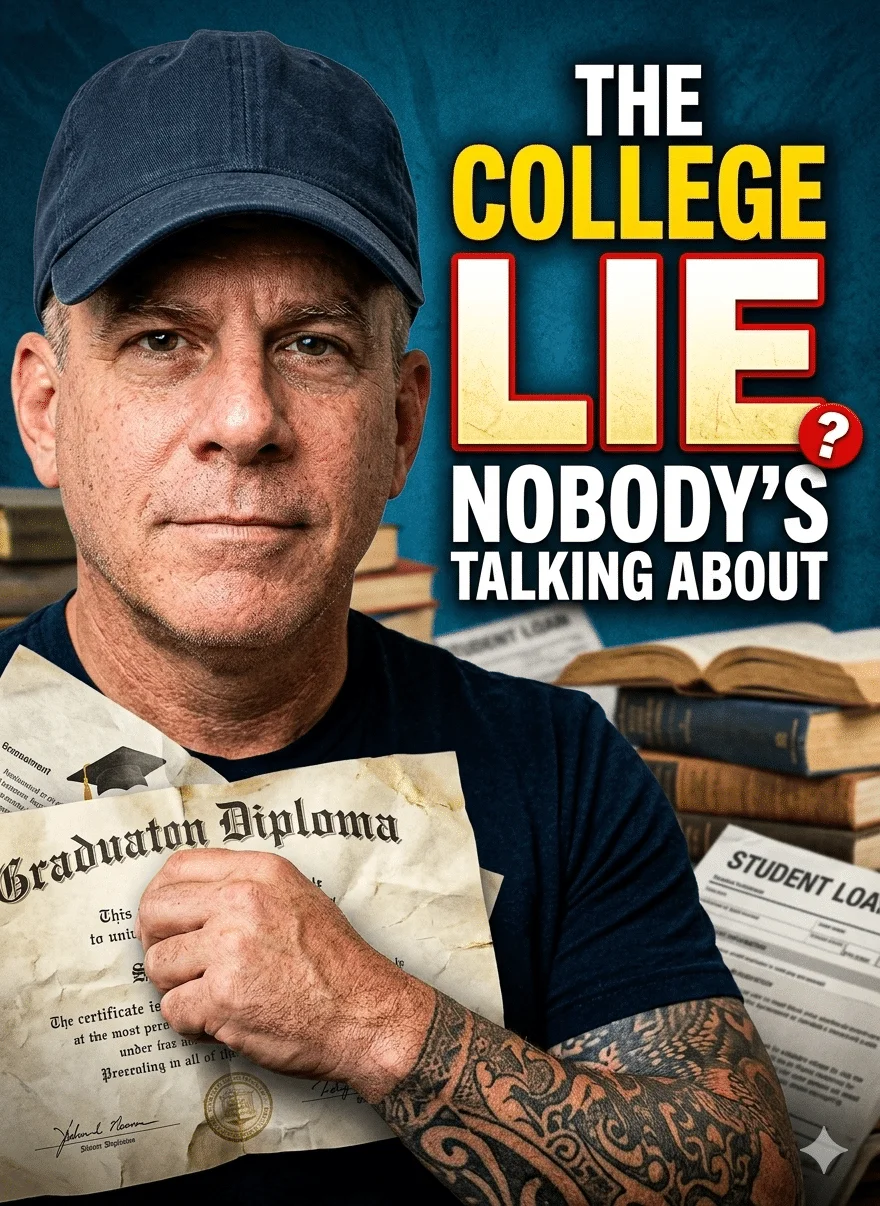
This isn’t about hating college. It’s about stopping the lie that it’s the only respectable choice or the guaranteed path to security. Plenty of people thrive with degrees. Plenty more would have been better off learning a real skill they could sell on day one.
On JV CHARLES TV we keep hearing the same thing from the guys who made the switch or never went the college route in the first place: “I wish someone had shown me this option earlier.” The money is there. The work is there. The respect is coming back around because people are finally realizing who actually keeps the lights on and the water running.
Frequently Asked Questions
Can you really hit six figures in Trades Careers without going into debt?
Yes. Plenty of experienced plumbers, HVAC techs, elevator mechanics, and power line workers clear six figures once they’re journeyman level or running their own work. Overtime, specialty skills, and owning the truck all move the needle fast. The key is picking a high paying skilled trade and getting good at it.
How long does it take to start making real money in Skilled Trades?
You can be earning from week one in most apprenticeships. Pay starts lower while you learn, then steps up every year. Within four to five years many people are making more than a lot of college grads with half the stress and none of the loan payments.
Is blue collar work dying out because of AI or automation?
Not the hands-on stuff. AI doesn’t solder pipes, balance airflow in a tricky commercial system, or troubleshoot a no-heat call at midnight in January. The trades that require physical presence and real-time problem solving on site are staying strong.
What are the best Trades Careers if I don’t want to sit behind a desk?
HVAC, plumbing, electrical, welding, elevator work, and heavy equipment all keep you moving. If you like diagnostic work and variety, HVAC is hard to beat. If you like building and finishing visible systems, plumbing and pipefitting have strong appeal. The “best” one is the one that matches how you like to spend your day.
Do these jobs have good benefits and retirement options?
Union roles often come with strong health coverage and pensions. Non-union shops vary, but many solid contractors offer 401(k) matches, paid time off, and performance bonuses. Once you own your own business the benefits are whatever you build but plenty of one-truck operations do very well.
How do I know if a trade is right for me before I commit?
Watch real people doing the work. That’s what we do on JV CHARLES TV. Spend a day shadowing if you can. Most guys in the trades are happy to talk to someone who’s serious. The ones who love it usually say the same thing: they like solving problems with their hands and seeing the result the same day.
References
- U.S. Bureau of Labor Statistics, Occupational Employment and Wage Statistics (OEWS), May 2025 release national medians and percentiles for elevator installers, plumbers, HVAC technicians, electricians, and related occupations.
- U.S. Bureau of Labor Statistics, Occupational Outlook Handbook, 2024–2034 projections job growth and annual openings for HVAC, plumbing, elevator work, and construction trades.
- Credit Karma and LendingTree student debt reports, Q4 2025 / Q1 2026 data total outstanding balances and average per-borrower figures.
- JV CHARLES TV YouTube video “The College Lie Nobody’s Talking About” (December 2025) field interviews and breakdown of why Trades Careers are outperforming the old college-only path for many people right now.